




Coastal Dynamics
Coastal Dynamics
WaterwaysLandcoverWaterwaysWaterways
Key Thematic Areas

Satellite Intelligence for Climate Resilience
SUPARCO’s platform for understanding, monitoring, mitigating, and adapting to climate change

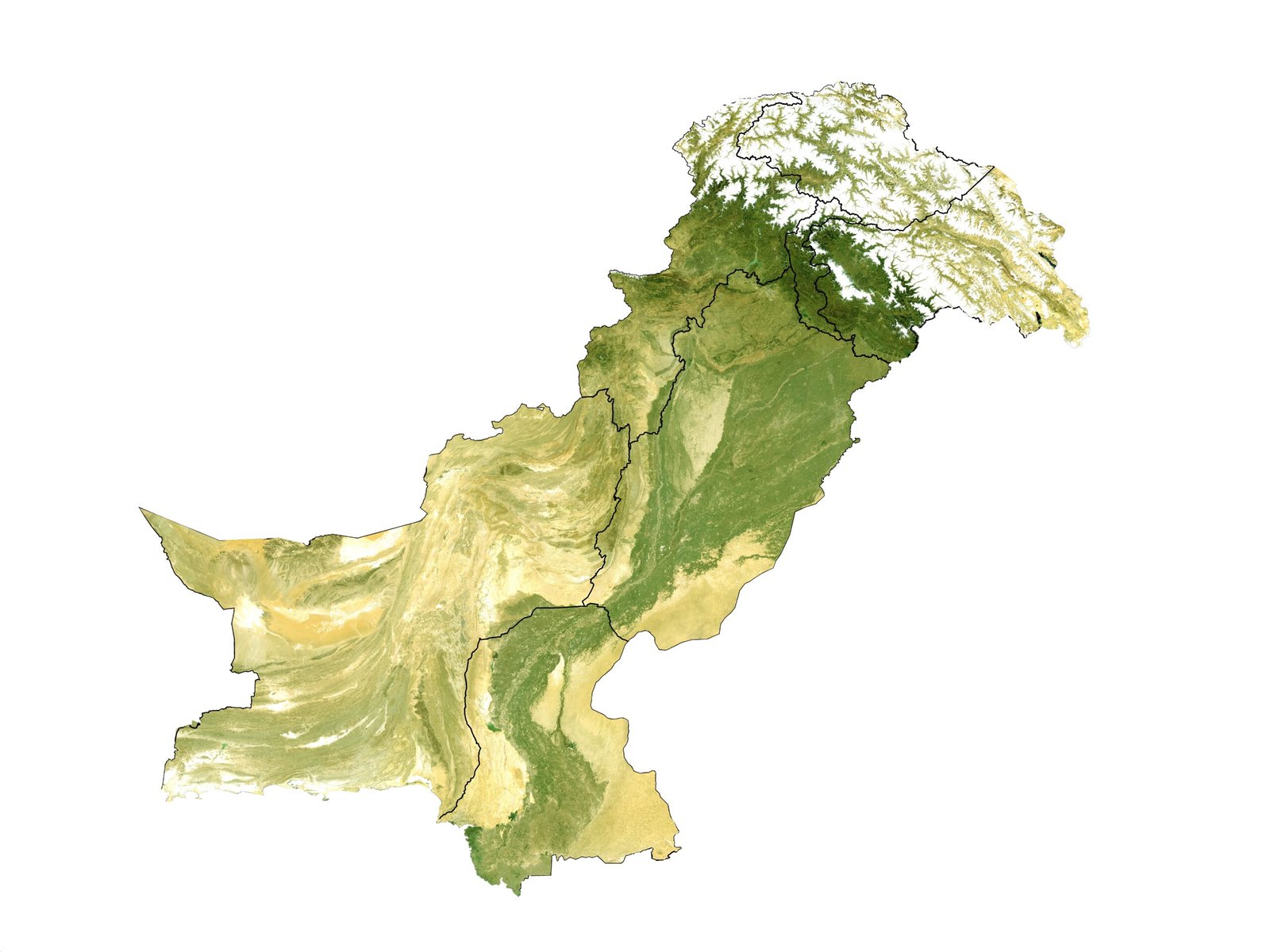
CLIMATE INDICATORS • PAKISTAN
Learn More
GreenHouse Gases (GHG)
Atmosphere
CH₄
Annual GHG Levels over Pakistan
Concentration in 2025
ppb
CH₄ (2024): 1935 ppb Trend: Increasing
Why does this matter?
Rising methane levels trap heat, intensify extreme weather, and disrupt natural climate systems.
Atmosphere
CO₂
Annual GHG Levels over Pakistan
Concentration in 2025
ppm
CO₂ (2024): 421 ppm Trend: Increasing
Why does this matter?
Rising carbon dioxide strengthens the greenhouse effect, causes long-term warming and affects weather pattern, and sea levels.
Air POLLUTION INDICATORS
Atmosphere
AOD
Monthly Aerosol Optical Depth over Pakistan
Concentration in Mar 2026
AOD (Feb 2025): 0.30 Trend: Slightly Decreasing
Why does this matter?
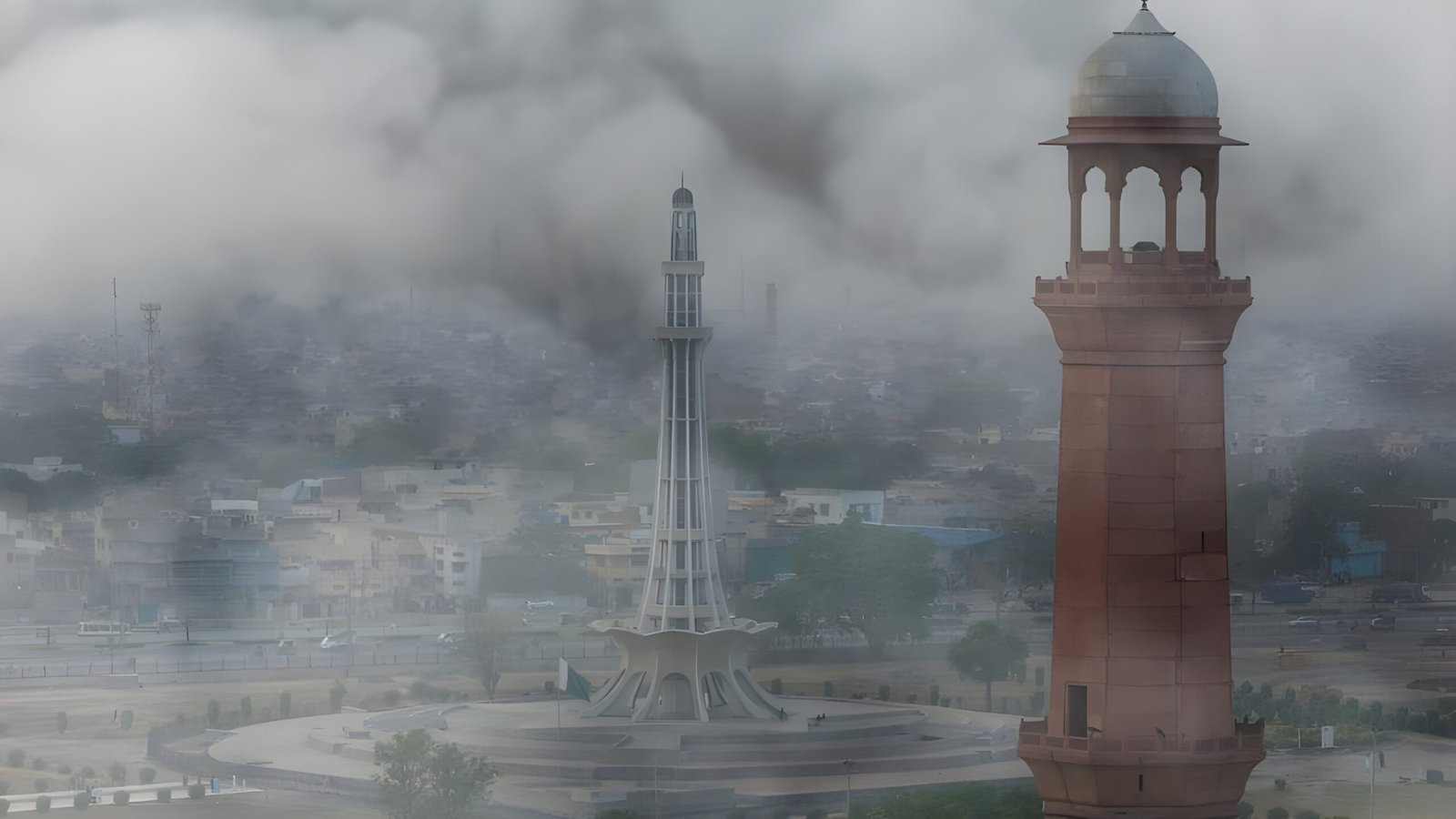
AOD indicates airborne particles such as dust and smoke; higher values may result in haze and smog as well as affect health.
Atmosphere
NO₂
Monthly Air Pollution Levels over Pakistan
Concentration in Mar 2026
µmol/m²
NO₂ (Feb 2026): 21 µmol/m² Trend: Slightly Decreasing
Why does this matter?
Nitrogen dioxide from vehicles and industry indicates urban pollution, causing respiratory issues and smog formation.
Atmosphere
SO₂
Monthly Air Pollution Levels over Pakistan
Concentration in Mar 2026
µmol/m²
SO₂ (Feb 2026): 30 µmol/m² Trend: Slightly Decreasing
Why does this matter?
SO₂ from industry and fossil fuels causes respiratory irritation and contributes to acid rain and environmental damage.
i
Disclaimer

The data presented on this website and portal are derived from satellite observations and represent atmospheric conditions over broad areas. These measurements may differ from ground-level pollutant concentrations and therefore cannot be used directly to determine local Air Quality Index (AQI) values.

CH₄
Methane
What is it?
Why important?
Global value
CLIMATE INDICATORS • PROVINCIALLY
Federal
Islamabad
Sindh
Karachi
Punjab
Lahore
KP
Peshawar
Balochistan
Quetta
GB
Gilgit
Punjab
Faisalabad
AJK
Muzaffarabad
AJK
Mirpur
GB
Skardu
Sindh
Sukkur
Balochistan
Gwadar
CH₄
Methane
What is it?
Why important?
Global value
CLIMATE INDICATORS • PAKISTAN
Learn More
Atmosphere
CH₄
Annual GHG Levels over Pakistan
Concentration in 2025
ppb
CH₄ (2024): 1935 ppb Trend: Increasing
Atmosphere
CO₂
Annual GHG Levels over Pakistan
Concentration in 2025
ppm
CO₂ (2024): 421 ppm Trend: Increasing
Atmosphere
AOD
Monthly Aerosol Optical Depth over Pakistan
Concentration in Dec 2025
(unitless)
AOD (Oct 2025): 0.28 Trend: Slightly Decreasing
Atmosphere
NO₂
Monthly Air Pollution Levels over Pakistan
Concentration in Dec 2025
µmol/m²
NO₂ (Nov 2025): 21 µmol/m² Trend: Slightly Decreasing
Atmosphere
SO₂
Monthly Air Pollution Levels over Pakistan
Concentration in Dec 2025
µmol/m²
SO₂ (Nov 2025): 57 µmol/m² Trend: Increasing
Highlights

Insights from Space on Pakistan’s Changing Climate

Climate Portals & Key Thematic Areas

Explore Focused Monitoring and Analytical Tools For Each Climate Domain

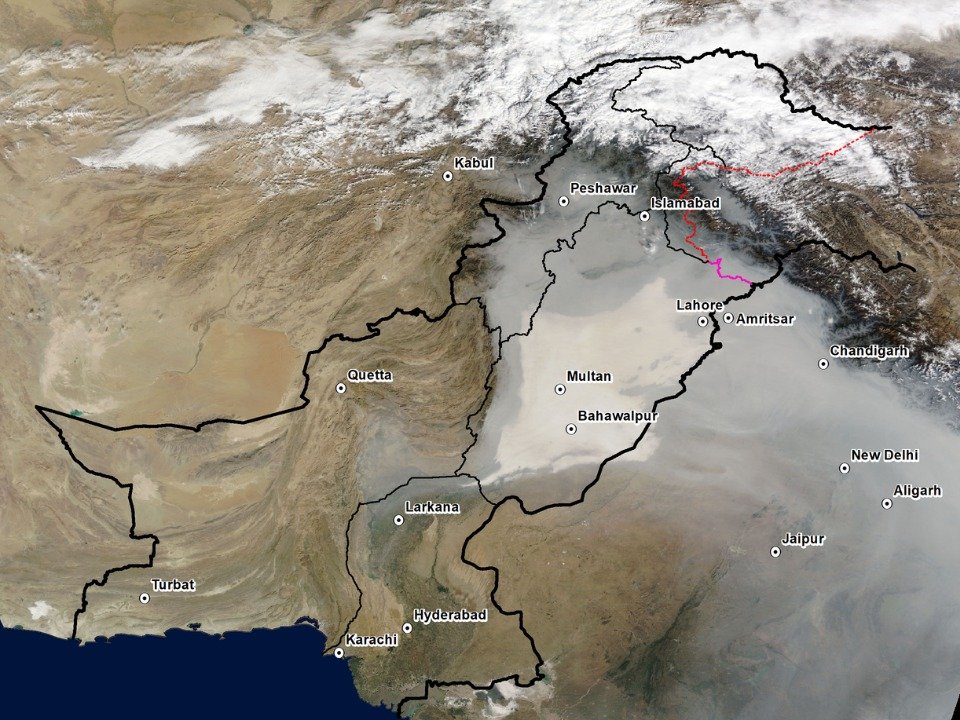
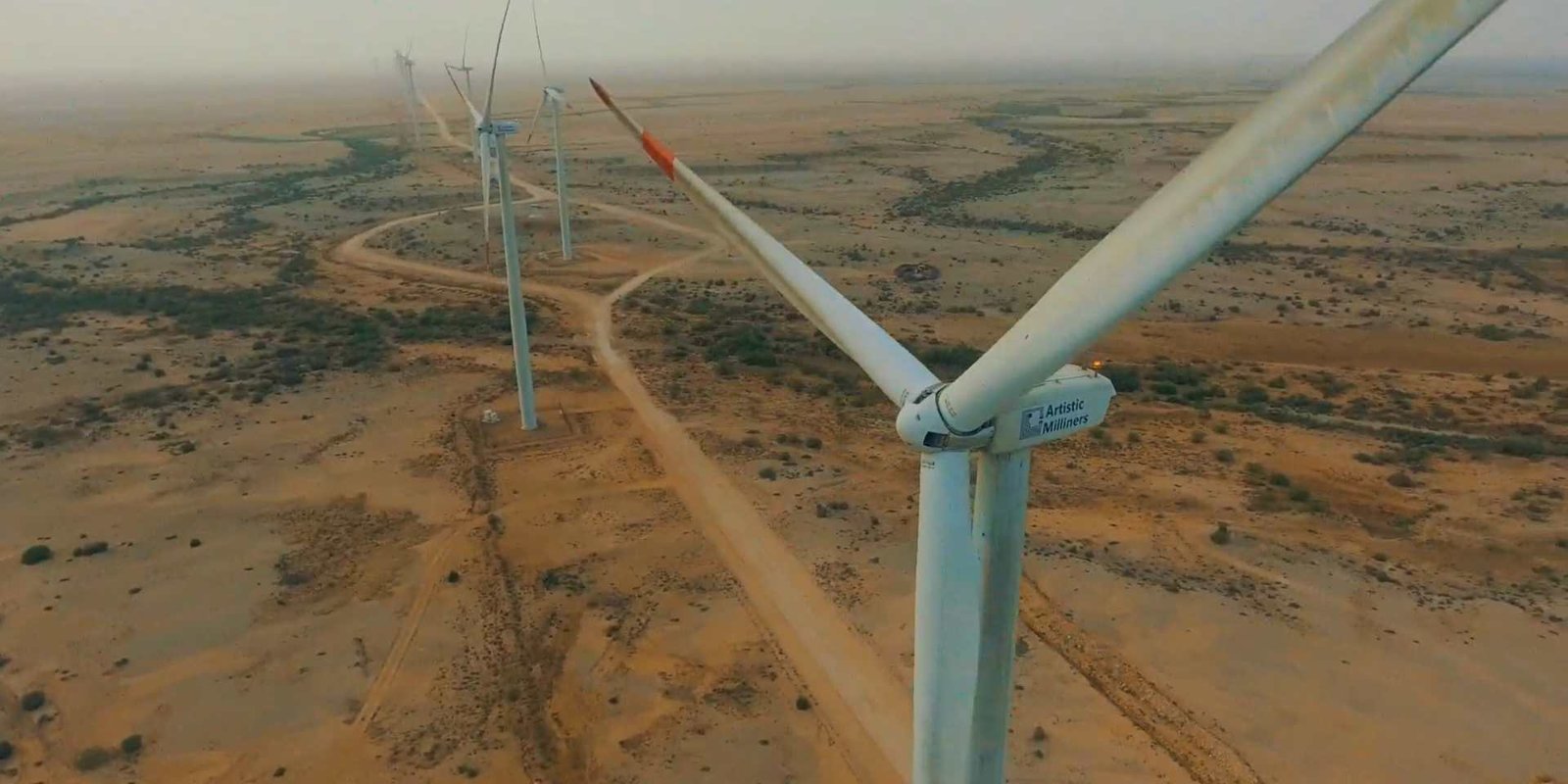
Continuous monitoring and mapping of air pollutants and GHGs in near real-time

Environment

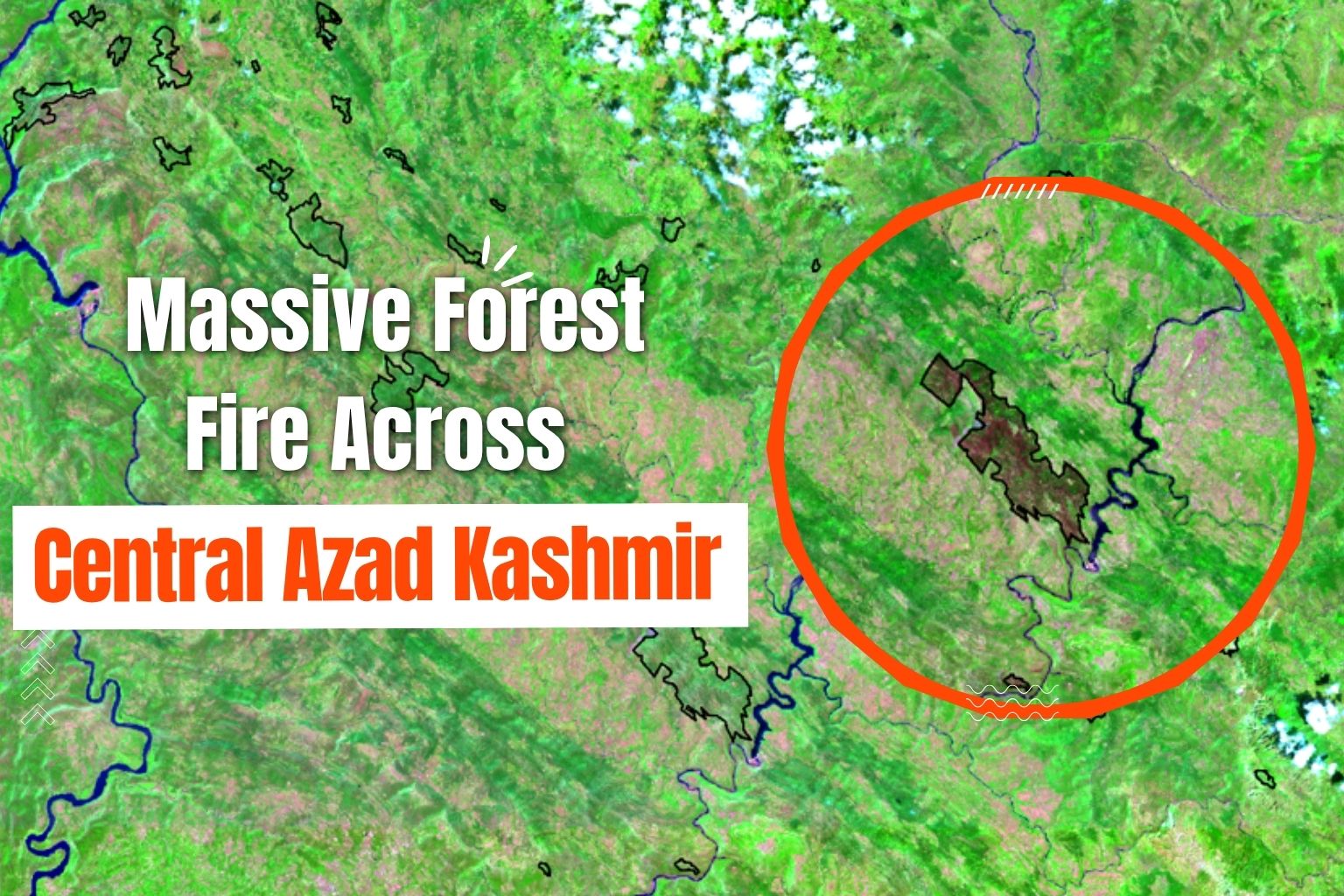
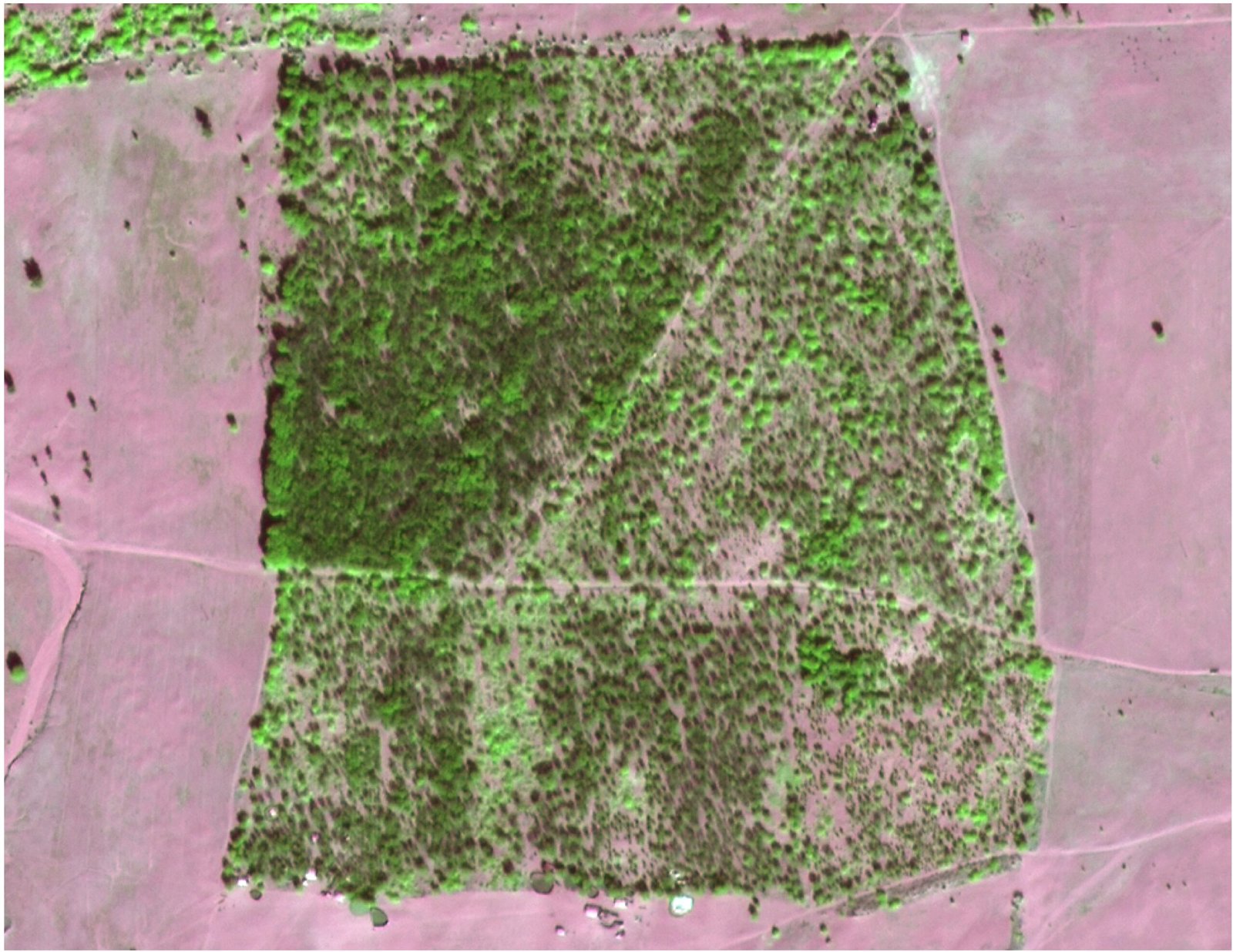
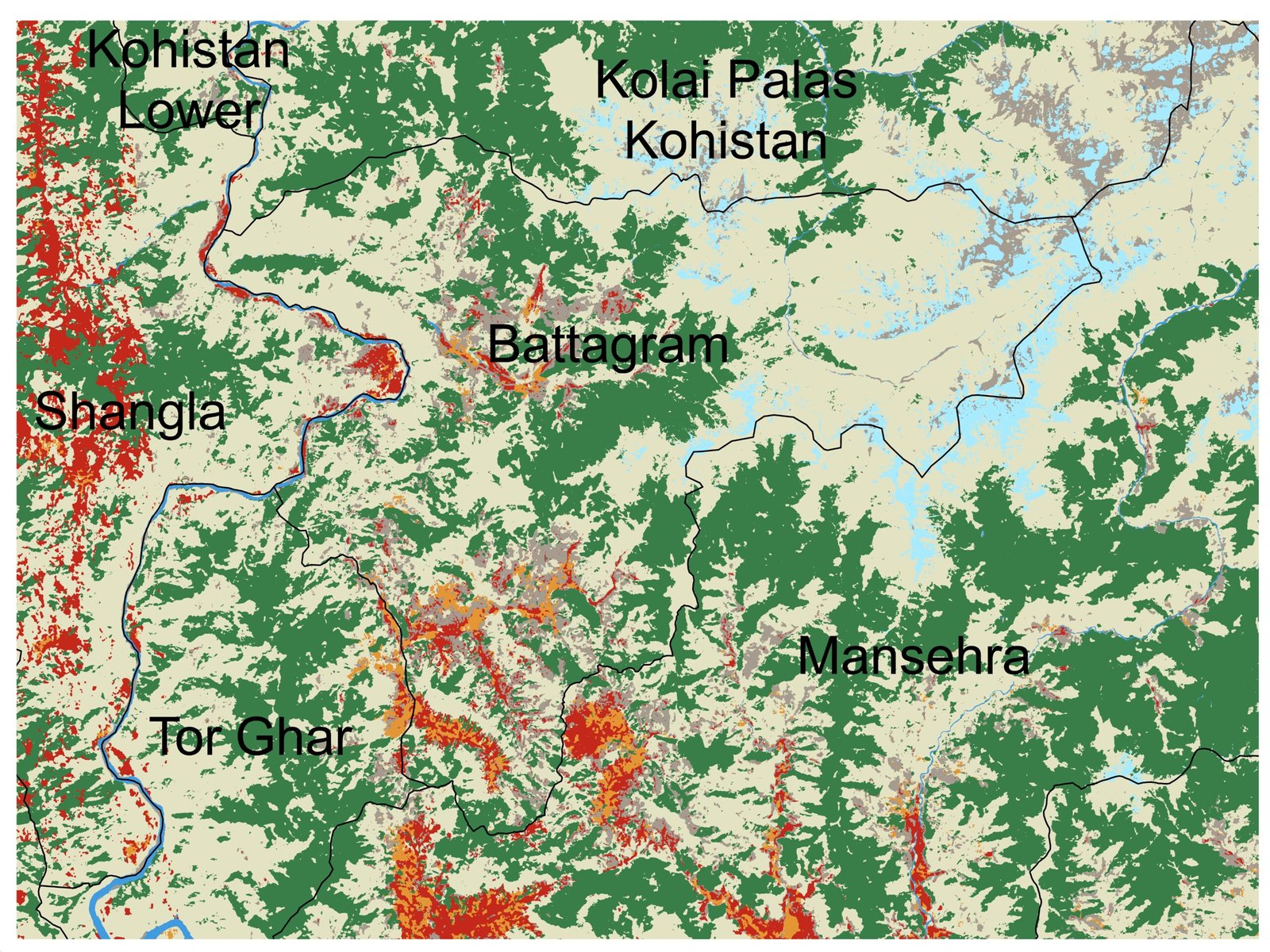
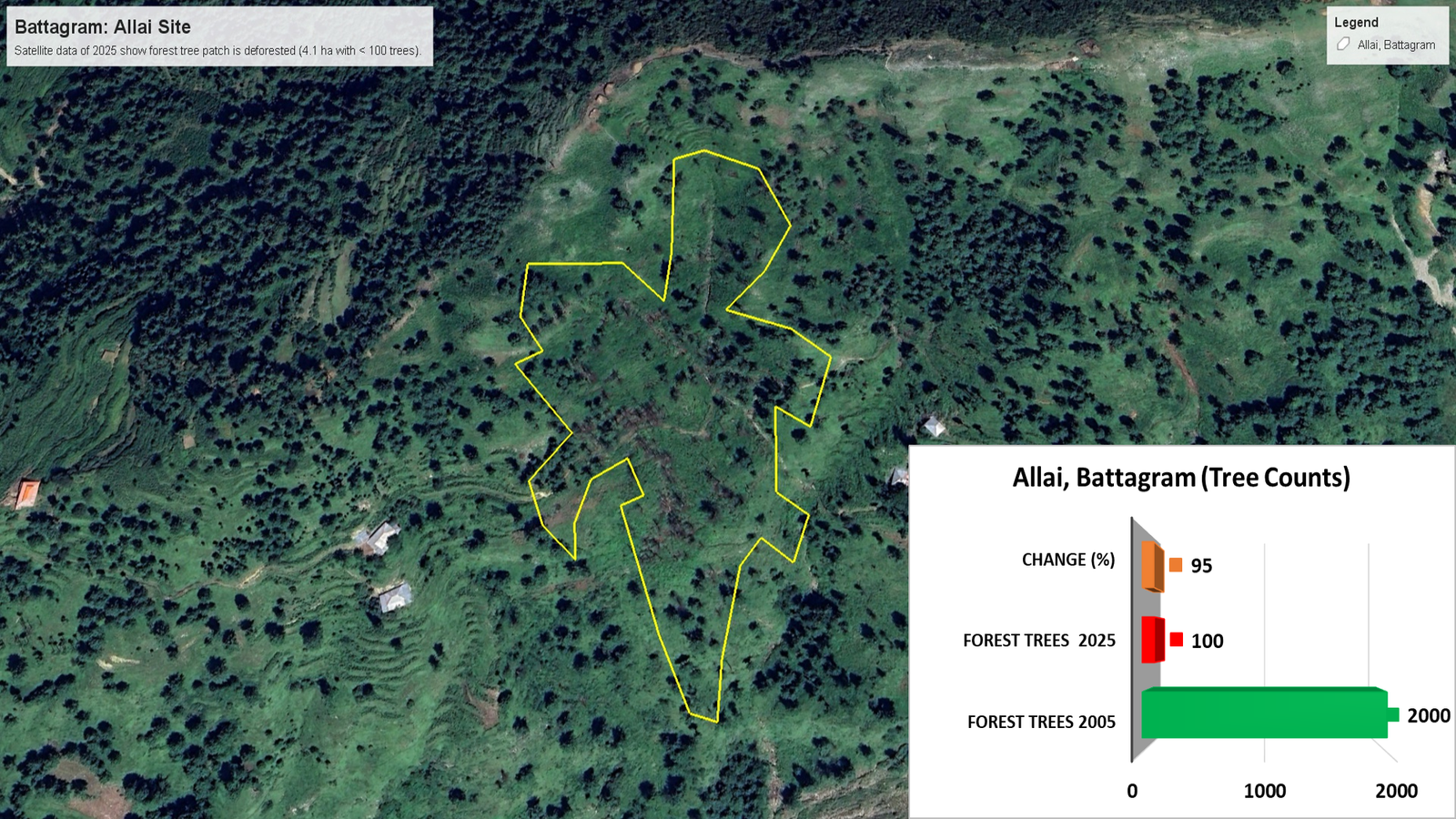
Annual forest cover, biomass products, and rapid disturbance alerts to support conservation

Forestry
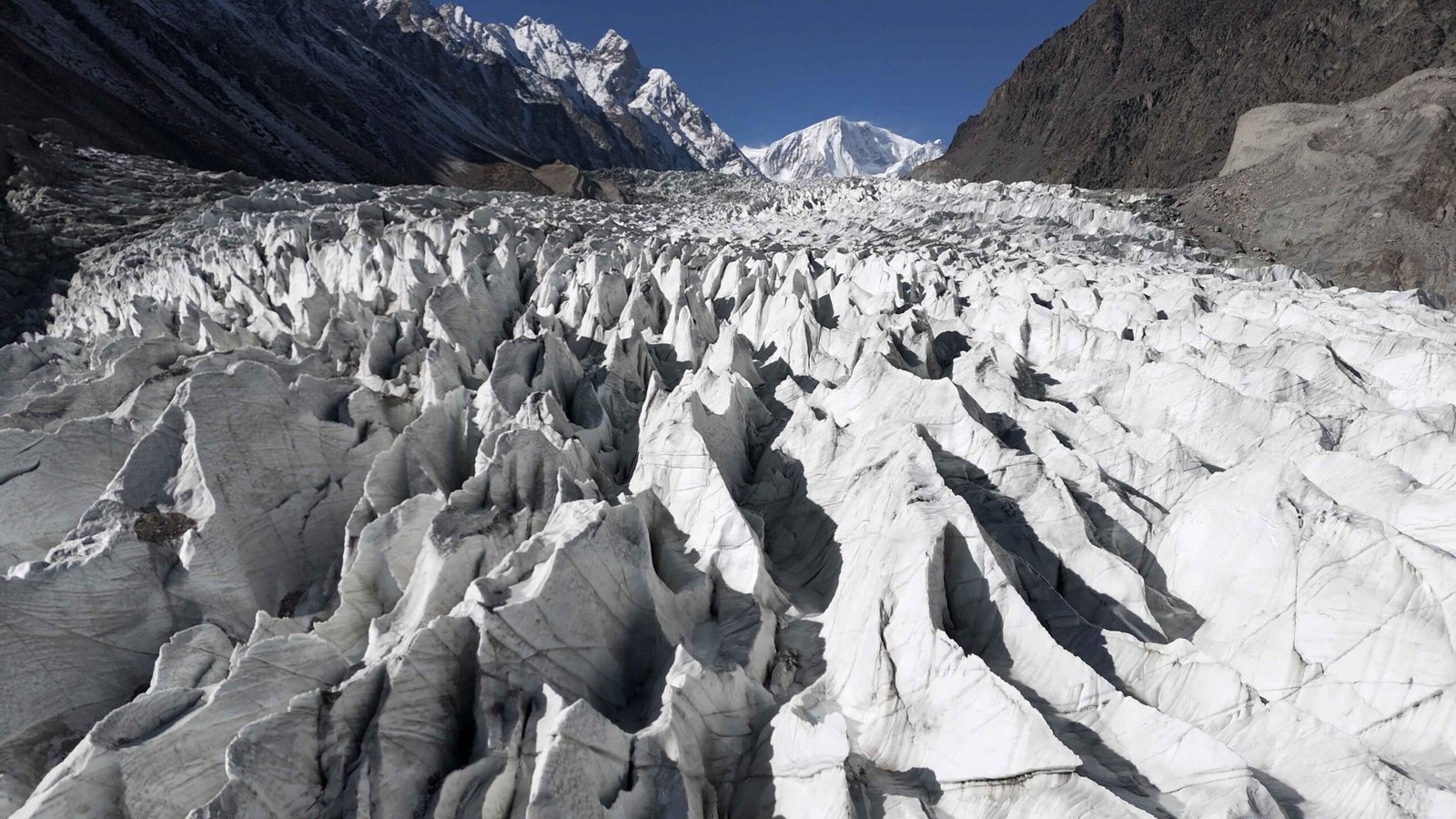
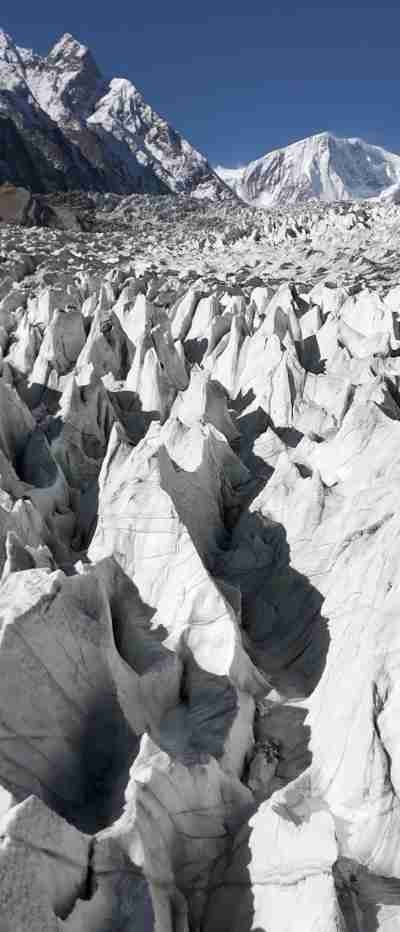
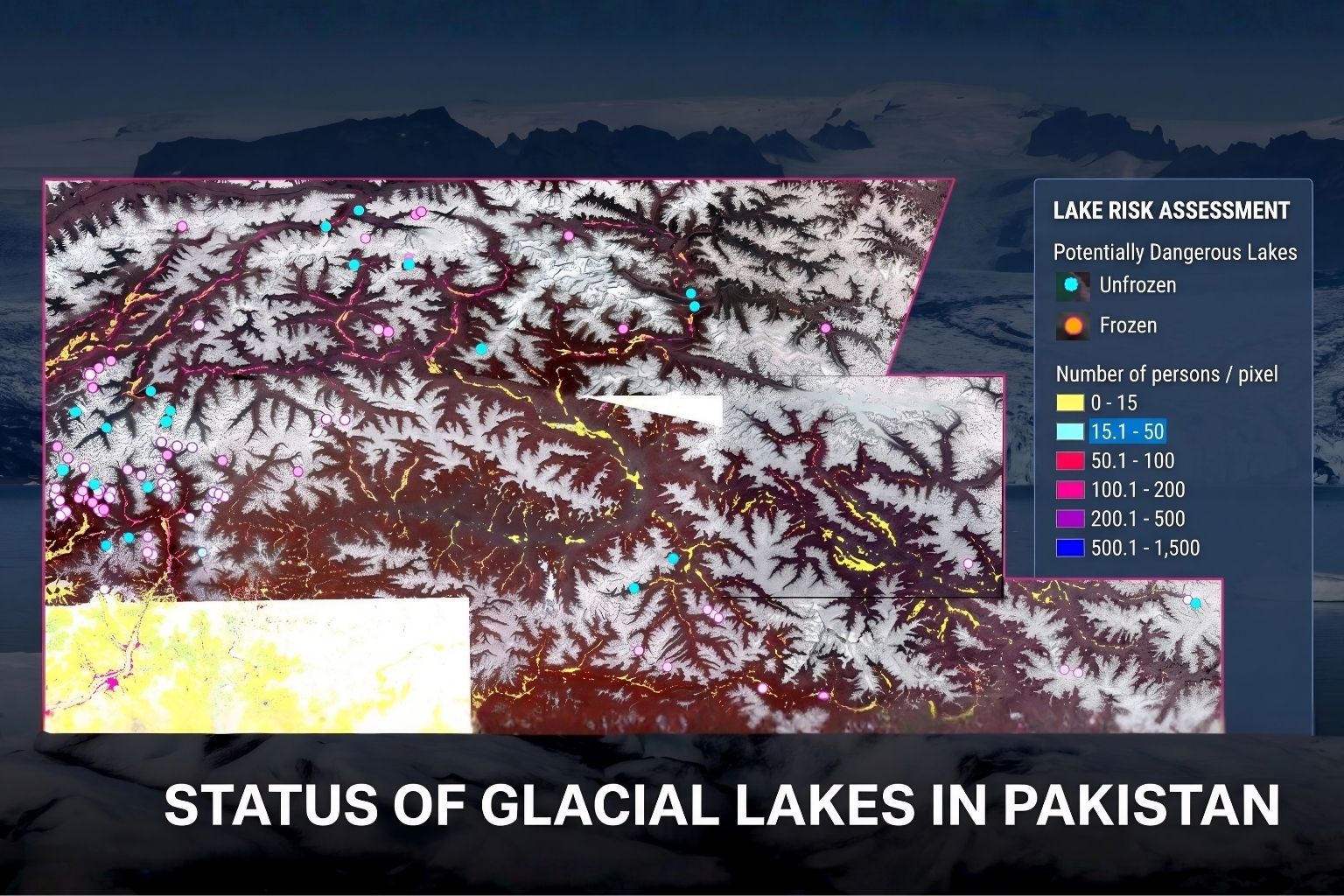
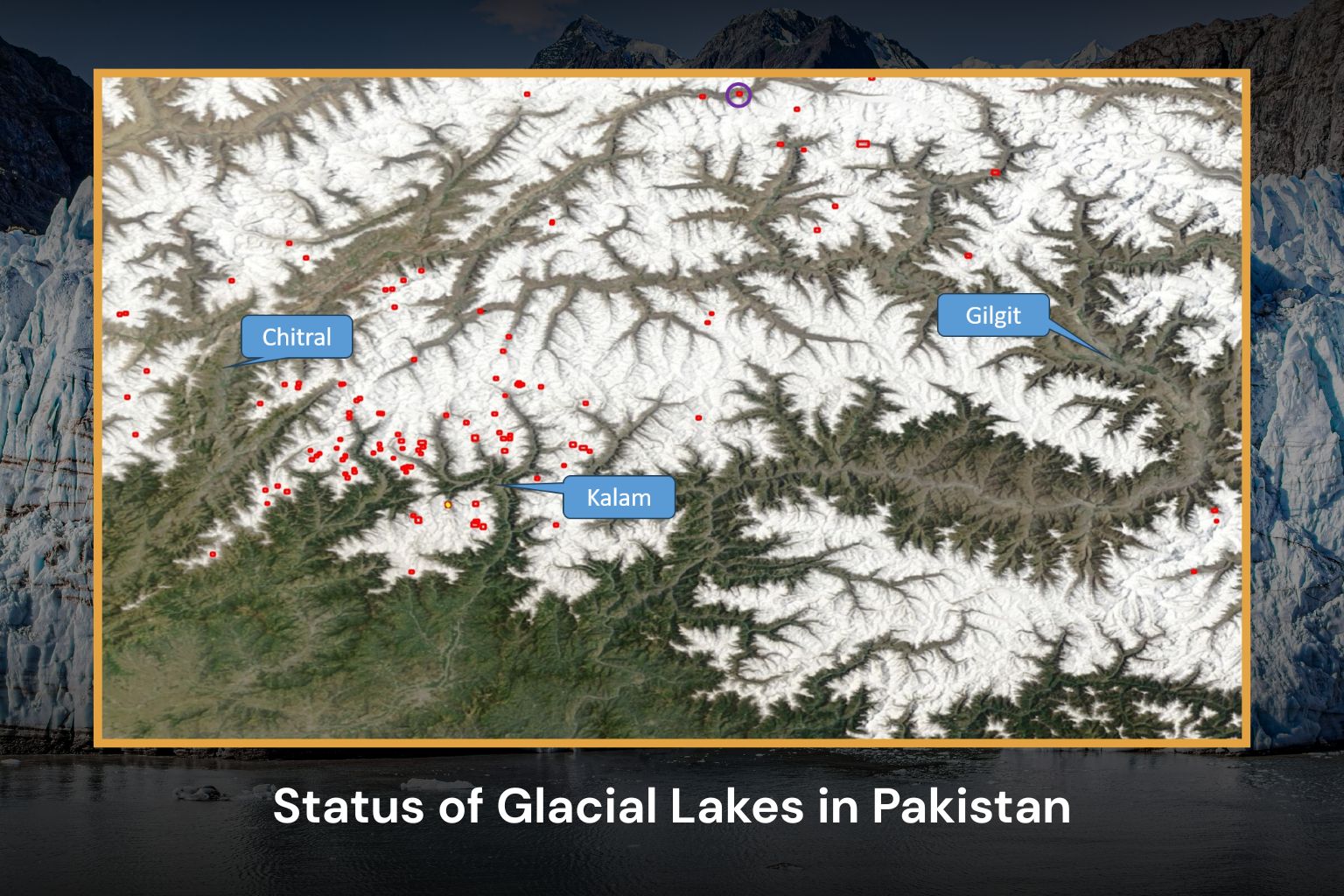
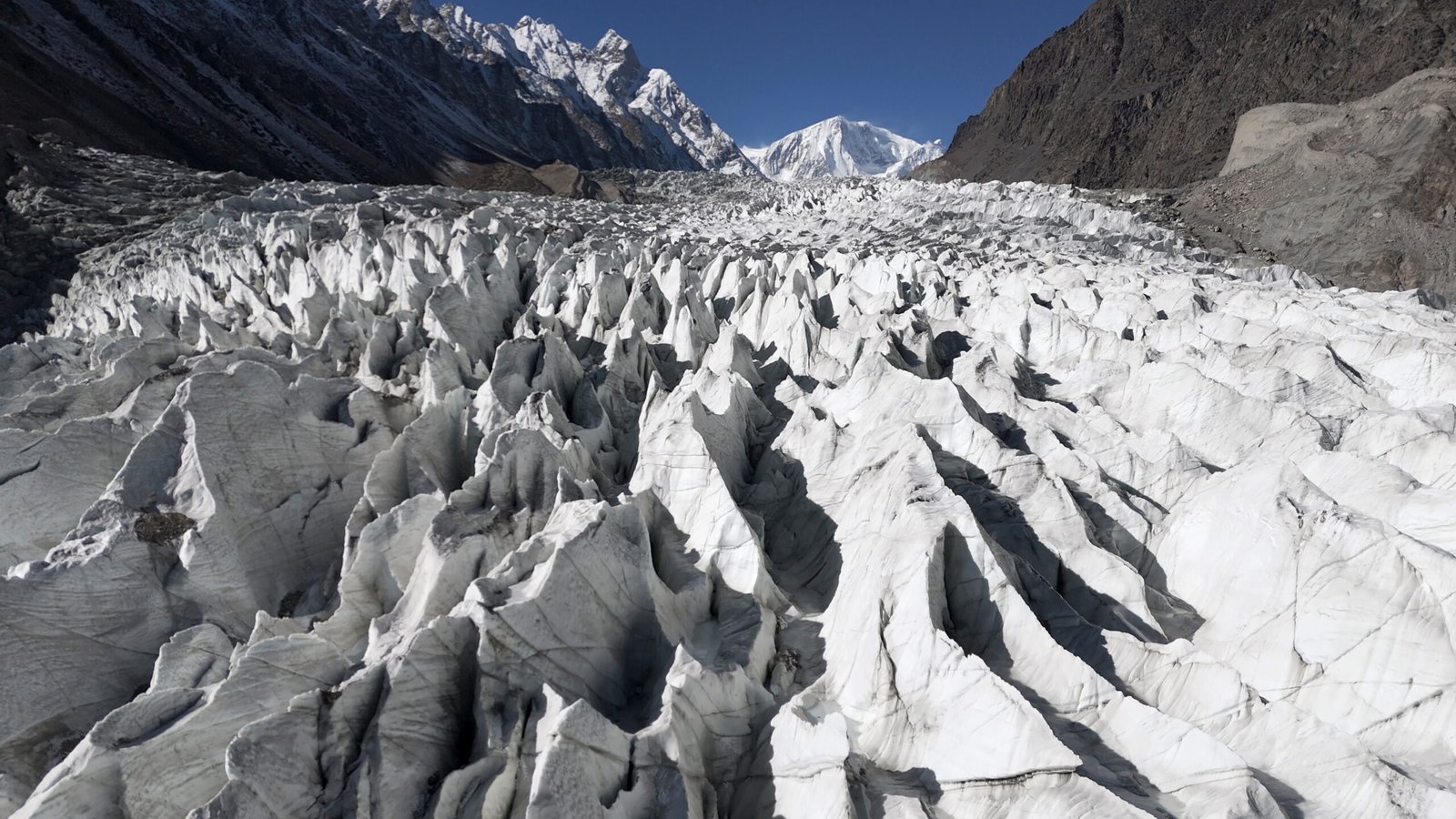
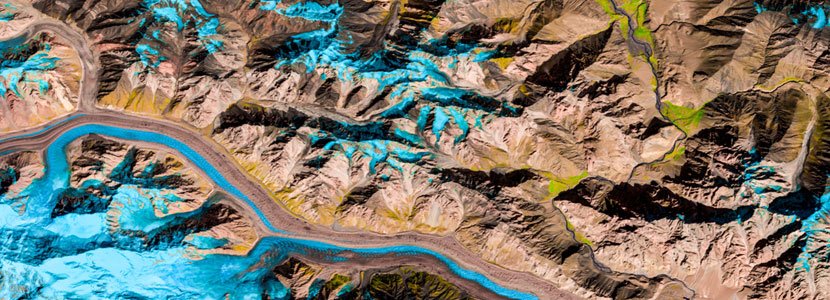
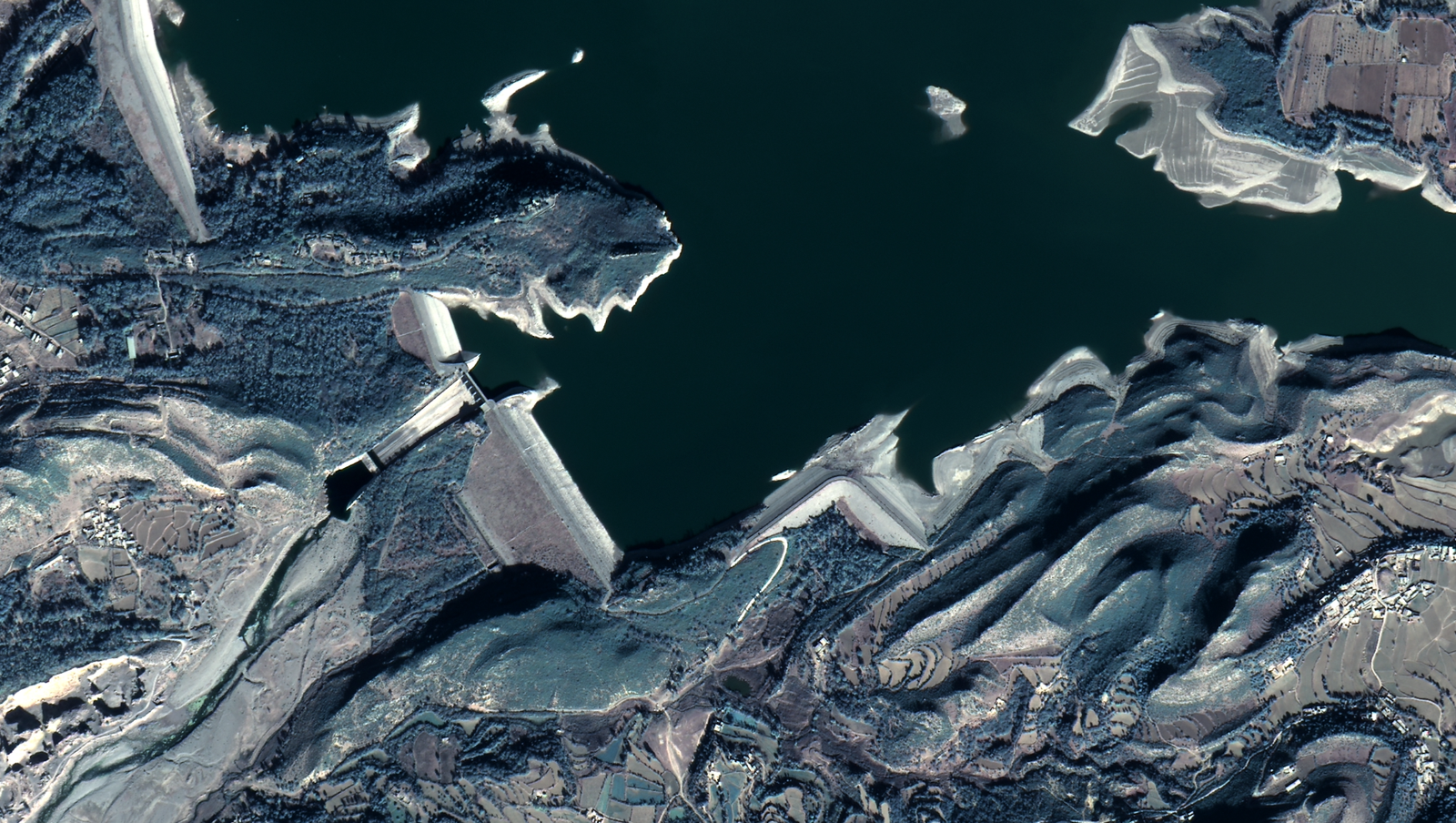
Glacier extent, velocity and proglacial lake monitoring for GLOF alerting and water resource planning

Glaciers

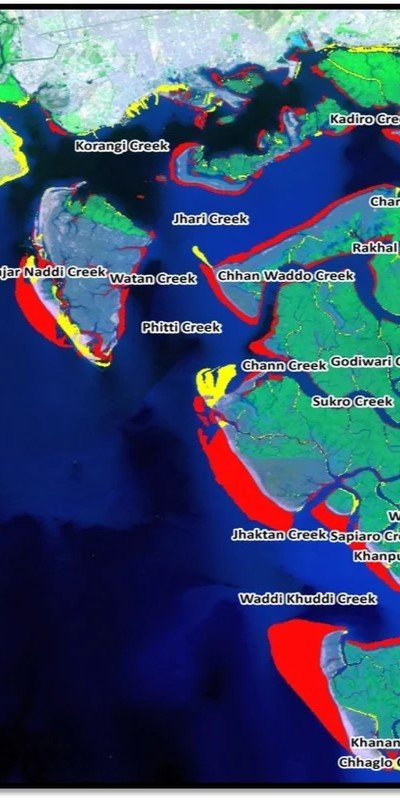
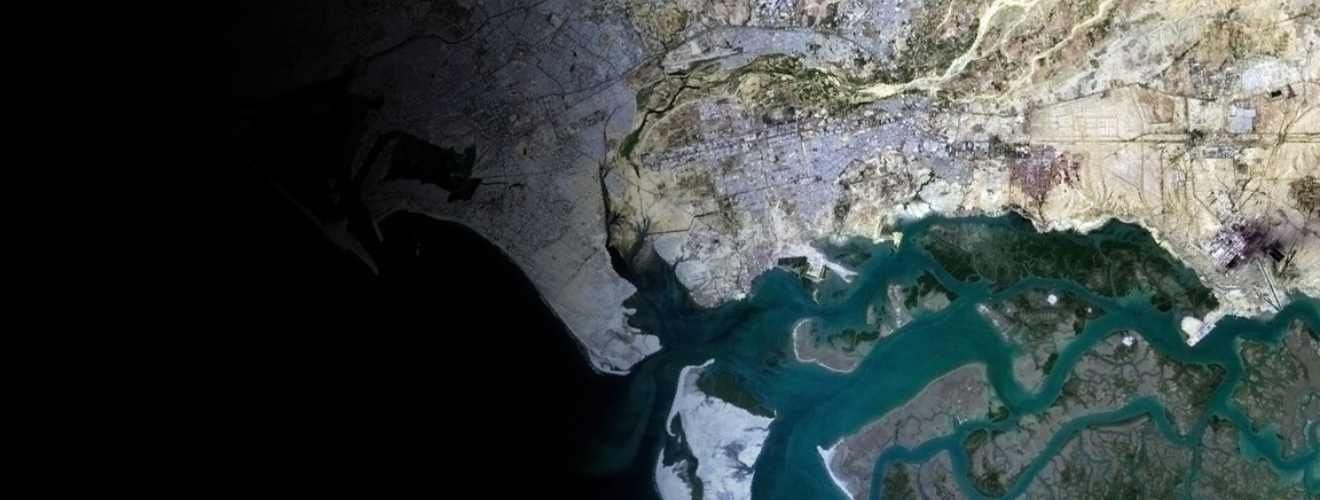
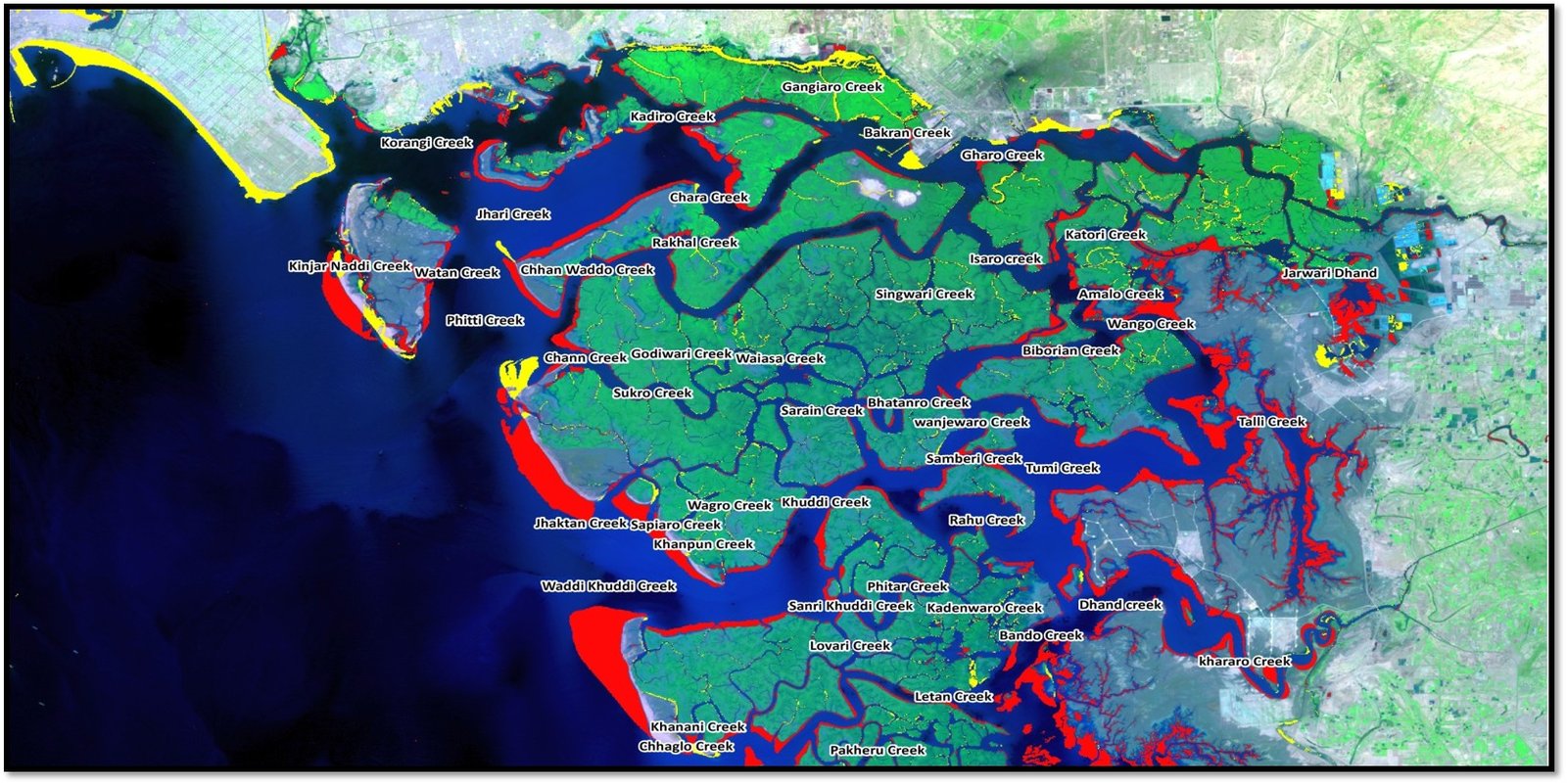
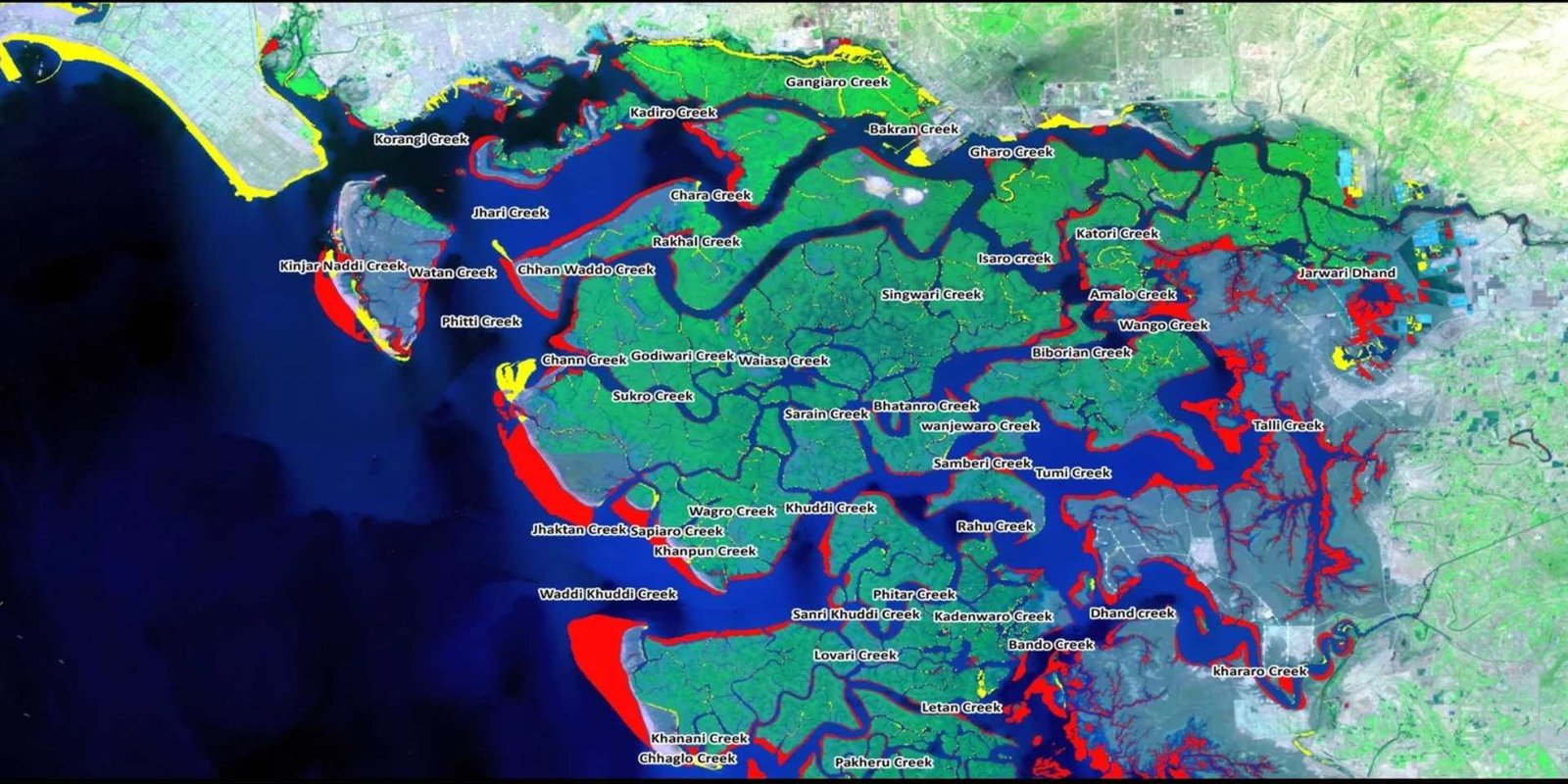
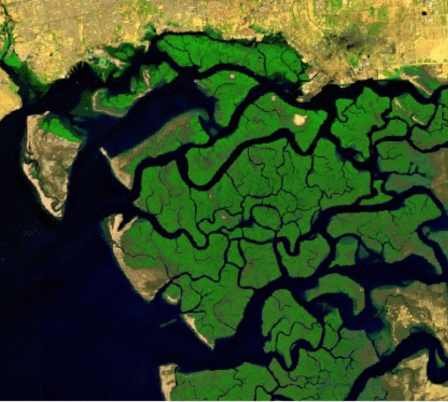
Time-series shoreline change and mangrove health assessment using satellite observations

Coastal Dynamics
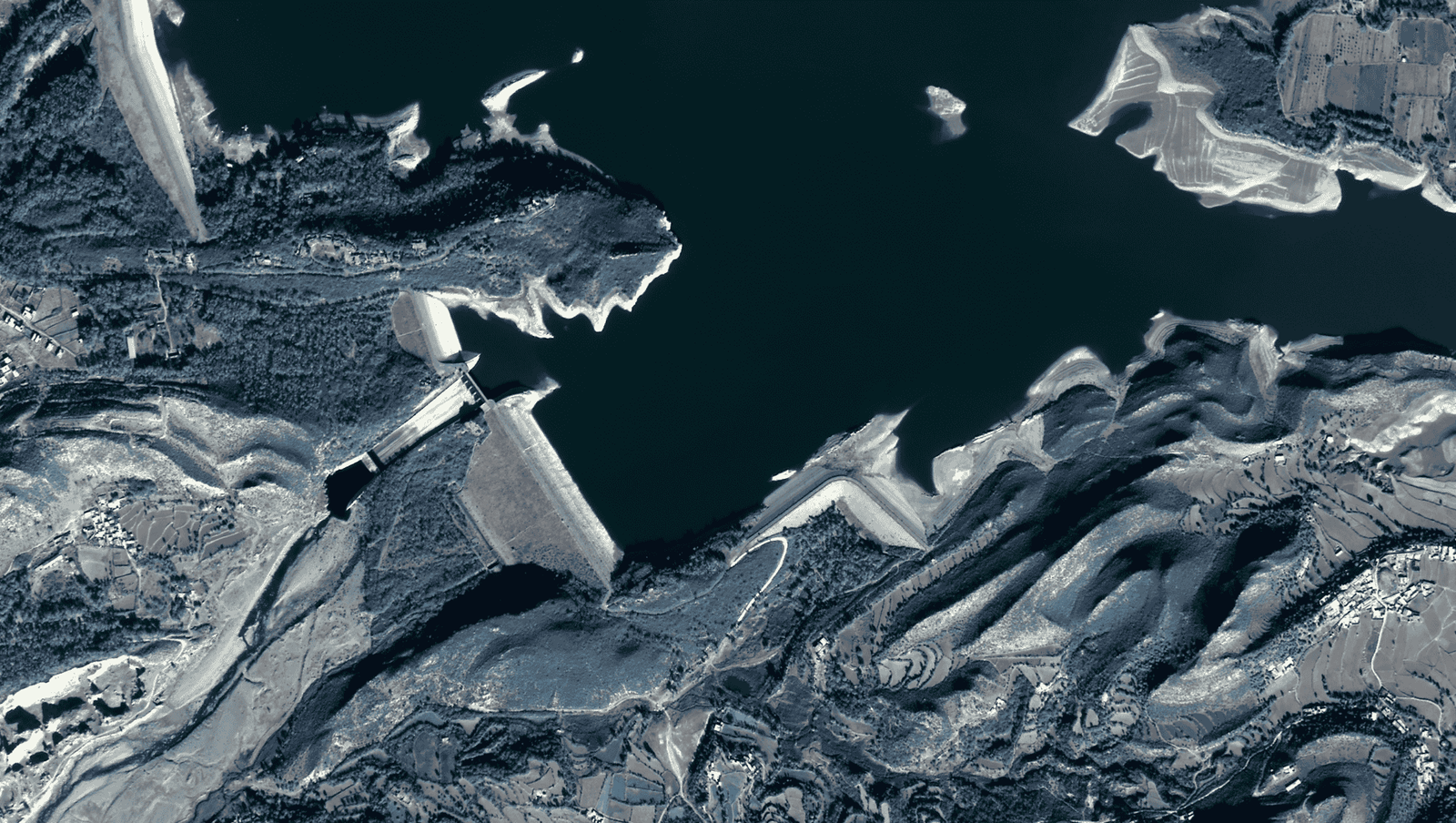
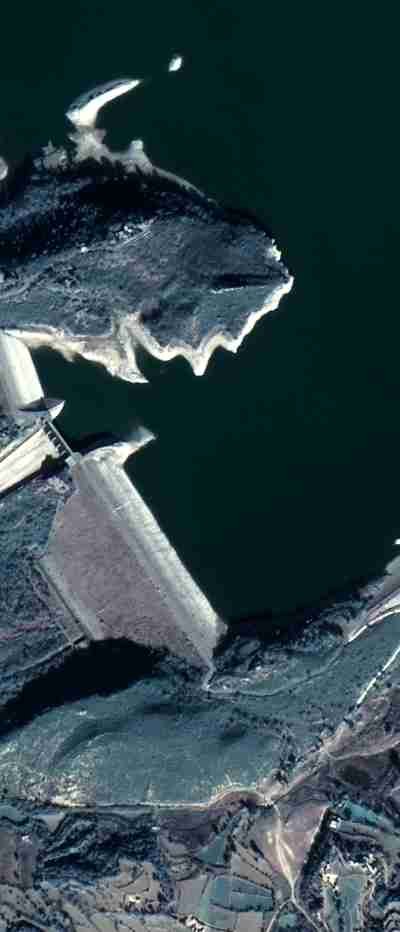
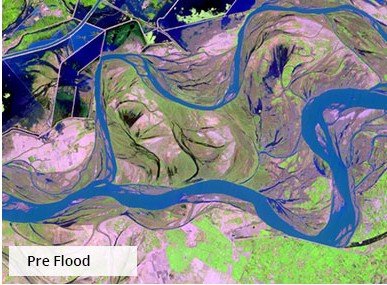
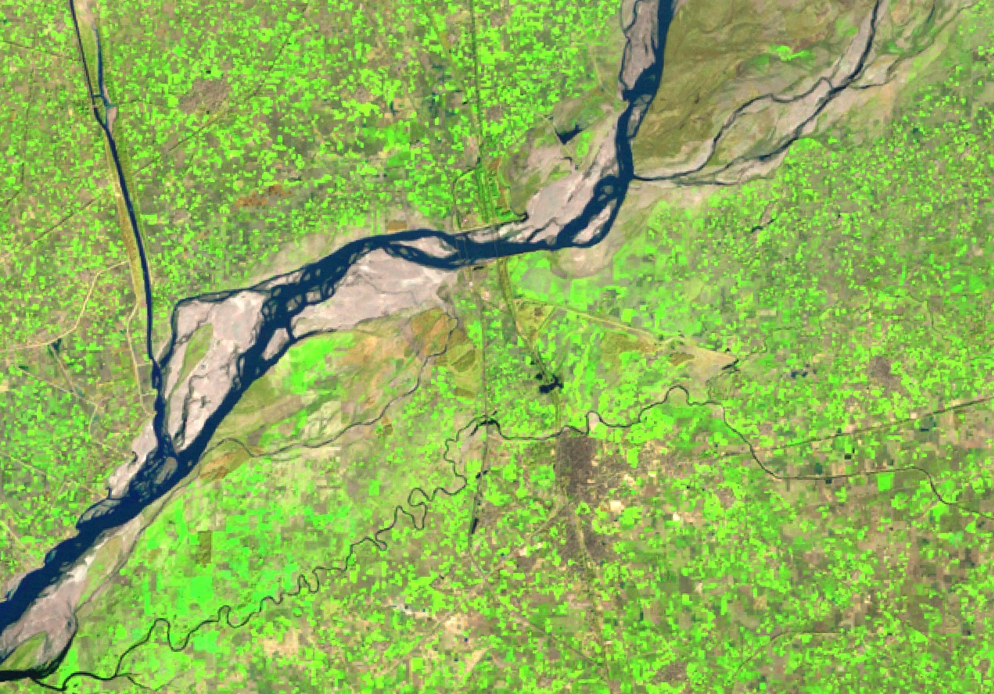
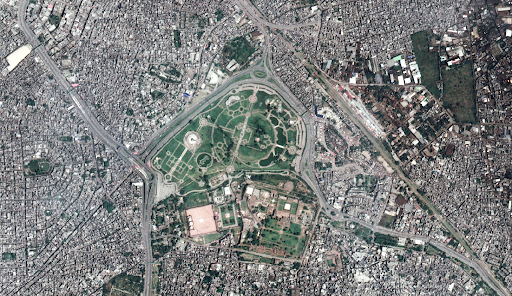
River migration, encroachment detection and river-basin monitoring with multi-temporal satellite data

Waterways
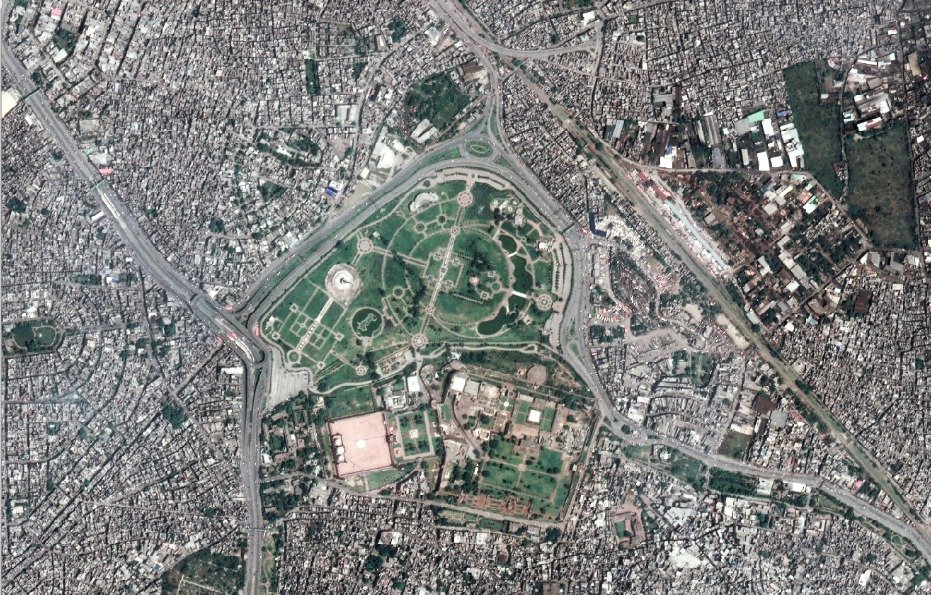
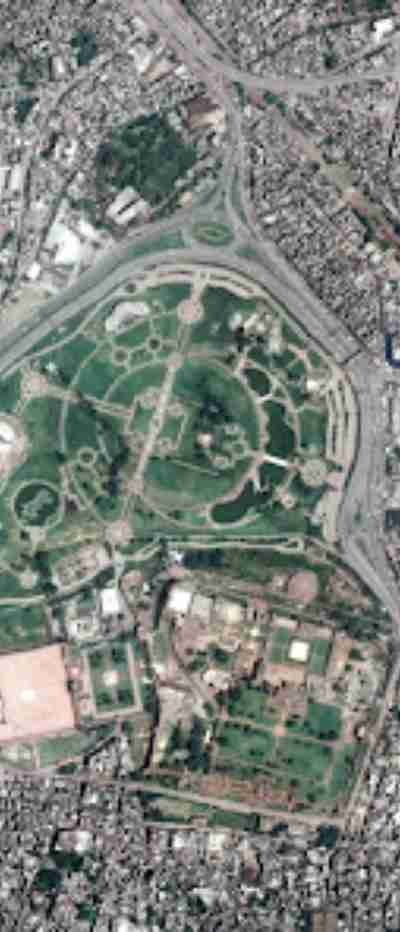
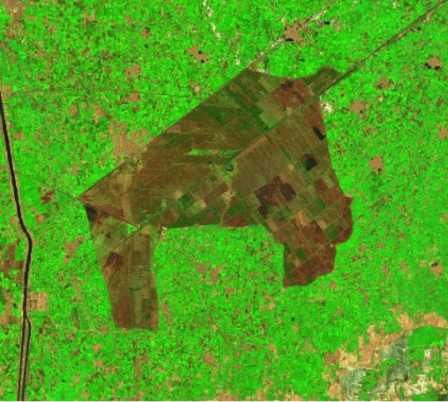
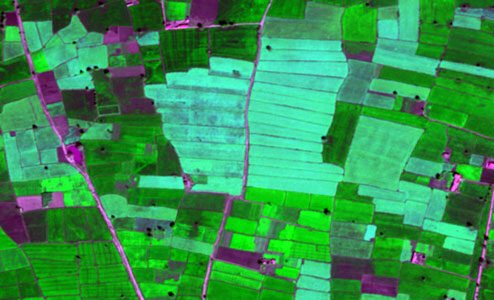
High-resolution landcover and crop classification using hyperspectral, multispectral and SAR data

Landcover & Agriculture
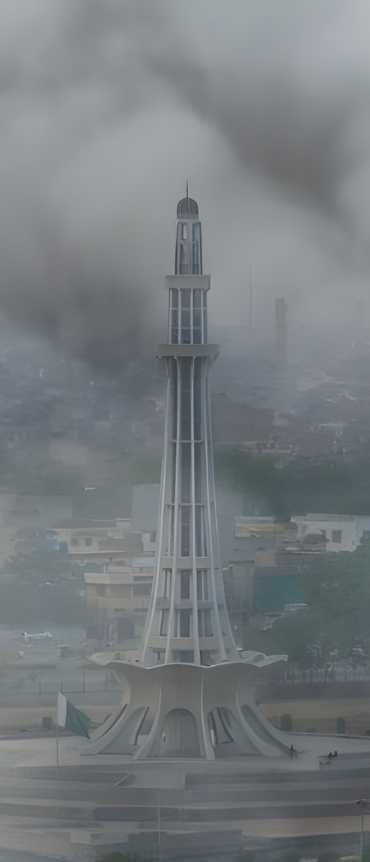
Continuous monitoring and mapping of air pollutants and GHGs in near real-time

Environment

Annual forest cover, biomass products, and rapid disturbance alerts to support conservation

Forestry

Glacier extent, velocity and proglacial lake monitoring for GLOF alerting and water resource planning

Glaciers

Time-series shoreline change and mangrove health assessment using satellite observations

Coastal Dynamics

River migration, encroachment detection and river-basin monitoring with multi-temporal satellite data

Waterways

High-resolution landcover and crop classification using hyperspectral, multispectral and SAR data

Landcover & Agriculture
Latest News

Latest Updates